这部纪录片剧集调查了世界各地的军事作战部队,了解他们如何使用专用设备为执行危险任务进行训练。
探索加里·科尔曼作为童星的成名历程、他在聚光灯下的挣扎、财务困境、抑郁症以及他 42 岁时悲惨去世的争议,让人们深入了解他的私人世界。
专题片《持续发力 纵深推进》突出反映了党的二十大以来,中央纪委国家监委坚持以习近平新时代中国特色社会主义思想统领纪检监察一切工作,深入贯彻落实党的二十大精神和二十届中央纪委二次全会部署,持续强化政治监督,以严的基调正风肃纪,全面加强党的纪律建设,纵深推进反腐败斗争,推动完善党和国家监督体系,有力推动新征程纪检监察工作高质量发展取得新进展新成效。 专题片共四集,分别为《解决独有难题》、《政治监督保障》、《强化正风肃纪》、《一体推进“三不腐”》,选取12个案例,采访纪检监察干部、有关审查调查对象及涉案人员、干部群众170余人,采用案例纪实、夹叙夹议、剖析点评等方式,生动讲述以习近平同志为核心的党中央时刻保持解决大党独有难题的清醒和坚定,坚持全面从严治党永远在路上、党的自我革命永远在路上,持续发力、纵深推进,一刻不停正风肃纪反腐的故事。
An immersive journey through the New York music scene of the early 2000s. A new generation kick-started a musical rebirth for New York City that reverberated around the world.
大鳄鱼在看着我ddd。跟随我们的船,学习我们的动作。他们聪明、饥饿、体型庞大。他们能有多大?是什么让他们尝到了人肉的味道?谁是世界上最致命的鳄鱼?通过鳄鱼袭击故事,我们探索了世界各地鳄鱼物种的最新行为和状态。
《船·承》是一部反映青岛红岛地区非遗传承发展的民生纪录片,全片长约30分钟,讲述的是山东省非物质文化遗产、青岛市非物质文化遗产,红岛“木质渔船制作技艺的发展历程,以及传承人刘方林已到花甲之年,依然致力于与经济民生结合,传承和活化这个具有经济、民俗、艺术价值的非遗项目的感人故事。
鲨鱼摄影师安迪·卡萨格兰德(Andy Casagrande)和迪基·奇韦尔(Dickie Chivell)前往南非,执行任务,捕捉有史以来跳跃出水面的最大大白鲨。
剧情简介暂缺,敬请期待
《非洲猫科》是一部讲述发生在非洲平原上的一个有关野生动物的真实故事的影片。由塞缪尔·杰克逊担任旁白。影片的主角是两个家庭,三只大型猫科动物,分别是未成年的母狮玛拉、成年雄狮毒牙以及雌性非洲猎豹希塔。他们在非洲平原上的爱、对族群的忠诚、猎食、离家、成长以及争斗和死亡组成了一部波澜壮阔的野生动物的史诗。玛拉是一只未成年的小母狮,只有6个月大。它的母亲莱亚正在用尽浑身解数照顾自己的女儿。玛拉活泼好动,是河岸狮群中的乖宝宝,它的母亲莱亚是狮群中最有经验的猎手。不过一次意外的负伤终结了莱亚“捕猎能手”的地位。母亲的地位岌岌可危,形单影只的玛拉也暴漏在了狮群的危险之中。而玛拉也只有尽快学会捕猎才能巩固自己在狮群中的地位并且填饱雄狮和自己的肚子。可是时日无多,母亲身负重伤,它未来的生活还是一个问号。而且,另一个狮群中的雄狮在就开始算计着这对母女了。成年雄狮毒牙是狮群的首领,它得此名称的原因是在一次打斗中,它失去了自己的一颗犬齿,现在只有一颗犬齿孤零零地留在它的嘴里。不过这并不是毒牙最大的心患,他的首领地位正在受到另一个狮群的觊觎。觊觎毒牙狮群和地盘的是凯利,它和它的同伴们住在河流的北岸,虽然有属于自己的领地,但是大型猫科动物的一个特性就是争夺地盘。它们一次一次地试探毒牙的实力,一次一次地妄图扩张自己的版图。在崇尚绝对力量的自然界,软弱、负伤的毒牙还有保护自己狮群的可能性么?它虚弱的肢体是不是正在一步一步地把狮群推向险境的边缘?希塔是一只漂亮的非洲猎豹,它是一个单亲妈妈,膝下有几个孩子。尚未成年的这些小家伙还没有意识到自然界的危险。而希塔只有孤零零地复杂打猎和照料自己的孩子。为了找到吃的东西,它不得不长途跋涉去找食物。可能离开家太久、太远,对于并不擅长长跑的猎豹而言并不是一个好主意……
带领观众登上先进的科学研究船OceanXplorer,探索世界海洋最遥远的边界,其中80%的区域尚未被完全探索。该六集系列纪录片结合了高端的科学驱动内容和惊心动魄的镜头,展现了探索过程中的戏剧性和刺激感,是一次高风险的海洋发现冒险之旅。
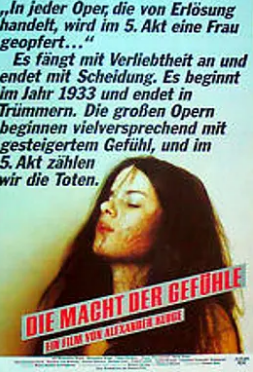
The Power of Emotion explains that emotion isn't to be confused with sentimentality. Emotion is ancient and more powerful than any art form. The film looks at young couples who run into difficulties as they try to translate their experiences of love into clear decision-making. A woman who has shot her husband provides a judge with a puzzle. Those who love can bring the dead back to life by means of co-operation. That's the focus of the opera, "The Power Plant of Emotions" and the "Opera of the 20th Century" cinema. Alexander Kluge: The Power of Feeling When I started working on The Power of Feeling, I was not in a rational state. I did not say, I have a subject and now I will make a film about it. Instead I was spellbound and observed in my direct surroundings, for example, how feelings move. I have not really dealt with the theme of my mother's death and the fact that she was the one who taught me "how feelings move." Nor have I dealt with how she died. That was an entire palette of feelings: "All feelings believe in a happy end," and everyone believes tacitly that they will live forever: The entire palette is somehow optimistic, a positive attitude towards life having been put on the agendaas long as she was young, as long as her body held out, from one day to the next she collapsed. She just suddenly collapsed, like in an opera where disaster takes the stage in the fifth act. It felt as if I had observed an air raid or a disaster. The film The Power of Feeling is not about feelings, but rather their organization: how they can be organized by chance, through outside factors, murder, destiny; how they are organized, how they encounter the fortune they are seeking.What is all this organization of feelings about? Generally feelings tend to be a dictatorship. It is a dictatorship of the moment. The strong feeling I am having right now suppresses the others. For thoughts this would not be the case. One thought attracts others like a magnet. People therefore need affirmation by other people to be sure about their own feelings (to counteract the acquisition of their feelings through outside forces). Through the interaction of many people, for example, in public, the various feelings also have a magnetic attraction to one another just like thoughts do. Feelings communicate through their manifestation in public. The cinema is the public seat of feelings in the 20th century. The organization is set up thusly: Even sad feelings have a happy outcome in the cinema. It is about finding comfort: In the 19th century the opera house was the home to feelings. An overwhelming majority of operas had a tragic end. You observed a victim. I am convinced that there is a more adventuresome combination: Feelings in both the opera and traditional cinema are powerless in the face of destiny's might. In the 20th century feelings barricaded themselves behind this comfort, in the 19th century they entrenched themselves in the validity of the lethal seriousness.
This true meijubar.net documentary series investigates cases where people convicted of murder claim their confessions were coerced, involuntary to false.