《公園》 — 兩位印尼詩人相約在夜裡的台南公園會面,各自將白天在這座公園裡,與印尼同胞們的相遇、相處等所見所聞所感,譜成詩歌,發想成計畫,於夜裡吟唱、想像、行動⋯⋯。白日採集,夜裡釋放,像一則古老的影像寓言,但我們始終見不到他們所說的白日種種,只能任夜裡的話語,投射出面貌不一的形象。漫漫長夜有訴不盡的故事,說故事的人也變成了故事的一部分。
暂无简介
《但是还有书籍》以书为题材,力图在阅读多样化、碎片化的当下,记录这个时代形形色色的爱书之人,捕捉和书有关的那些精彩故事。希望以新鲜有趣的视角和故事,点燃观众对于书的热爱,为人们提供一份在快时代里的阅读指南。
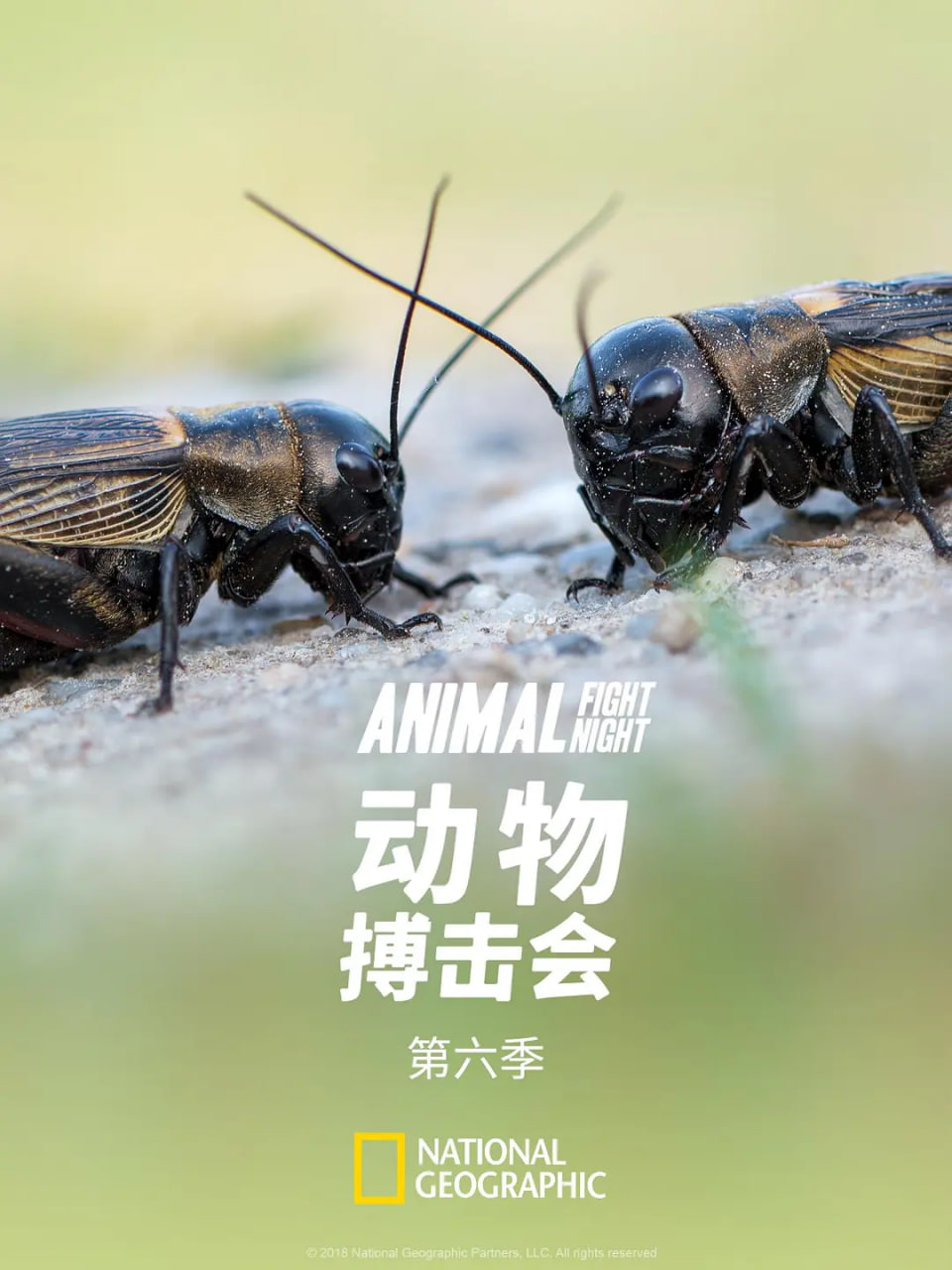
《动物搏击会》第六季中将继续展示自然界中最凶猛的战斗,探究生存斗争背后不可思议的科学,非凡的武器和战术通过最新的视觉技术得以展现我们面前。从最强大的捕食者,如狮子,鳄鱼和鲨鱼,到拥有惊人武器的最强韧小动物,如蚱蜢老鼠和蜘蛛黄蜂。《动物搏击会》会给您带来前所未有的兴奋与激动。
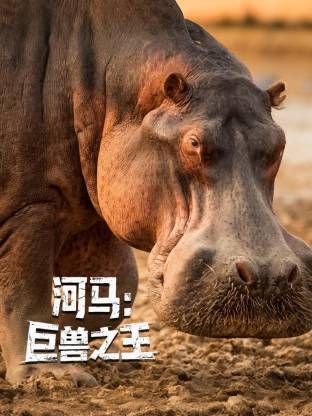
在非洲卢安瓜河谷,一头年老、满身战痕的公河马回望自己传奇的一生。它一只眼睛失明,身躯遍布深深伤痕,然而曾经它是这片星球上最大河马聚居地中的无冕之王。本纪录片讲述这头公河马跨越三十五年的生命历程。从脆弱幼崽起步,它面临鳄鱼、狮子环伺,依靠母亲的全力守护艰难成长。族群内部的混乱与争斗、旱季河道干涸、同类的死亡,都让它过早见识到残酷的自然法则。母亲离世后,它被逐出出生的族群,只能在新的河马群体中以谦卑姿态求生存。然而,它学会了坚韧与忍耐,懂得如何在严酷的旱季与雨季交替中活下去。随着岁月更迭,它逐渐壮大,体型与獠
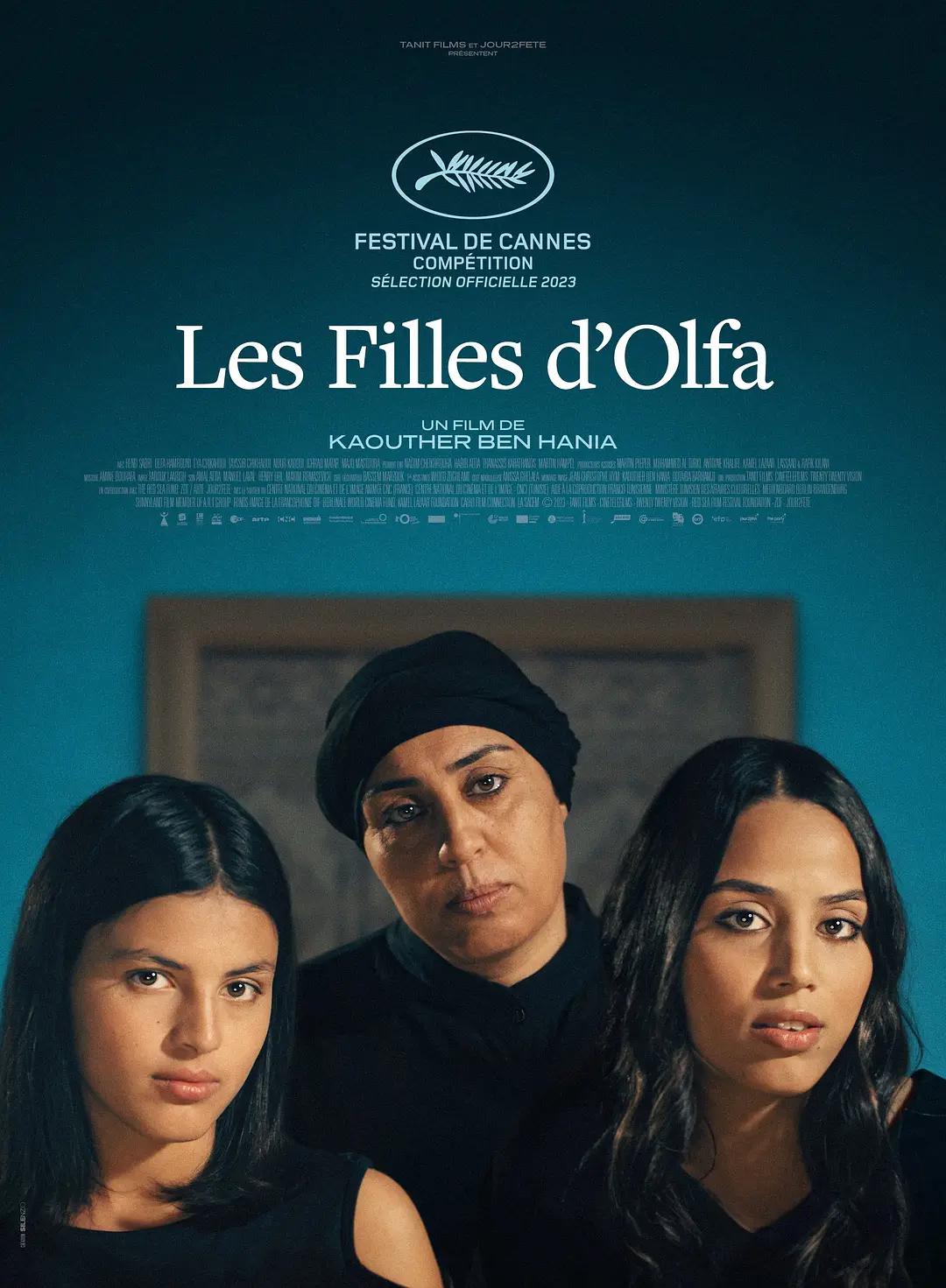
世俗化的母亲为何养育出了宗教极端主义的女儿?几位角色共同回溯过往,完成令人震撼的自我剖析,逐步接近造成家庭悲剧的沉痛根源——戴上保守的头巾,借真主反制母亲,竟是女孩扭转家庭权力关系的唯一手段。然而所有的叛逆与反抗,从未让她们摆脱被社会规训和定义的牢笼。这个一代代重复的诅咒,今天仍在上演。导演考塞尔·本·哈尼埃打破纪录与剧情的边界,将表演与阐释结合,别出心裁的形式使主题的触角直抵人心最深处。本片获得戛纳电影节最佳纪录片金眼睛奖,并获得第96届奥斯卡最佳纪录长片提名。
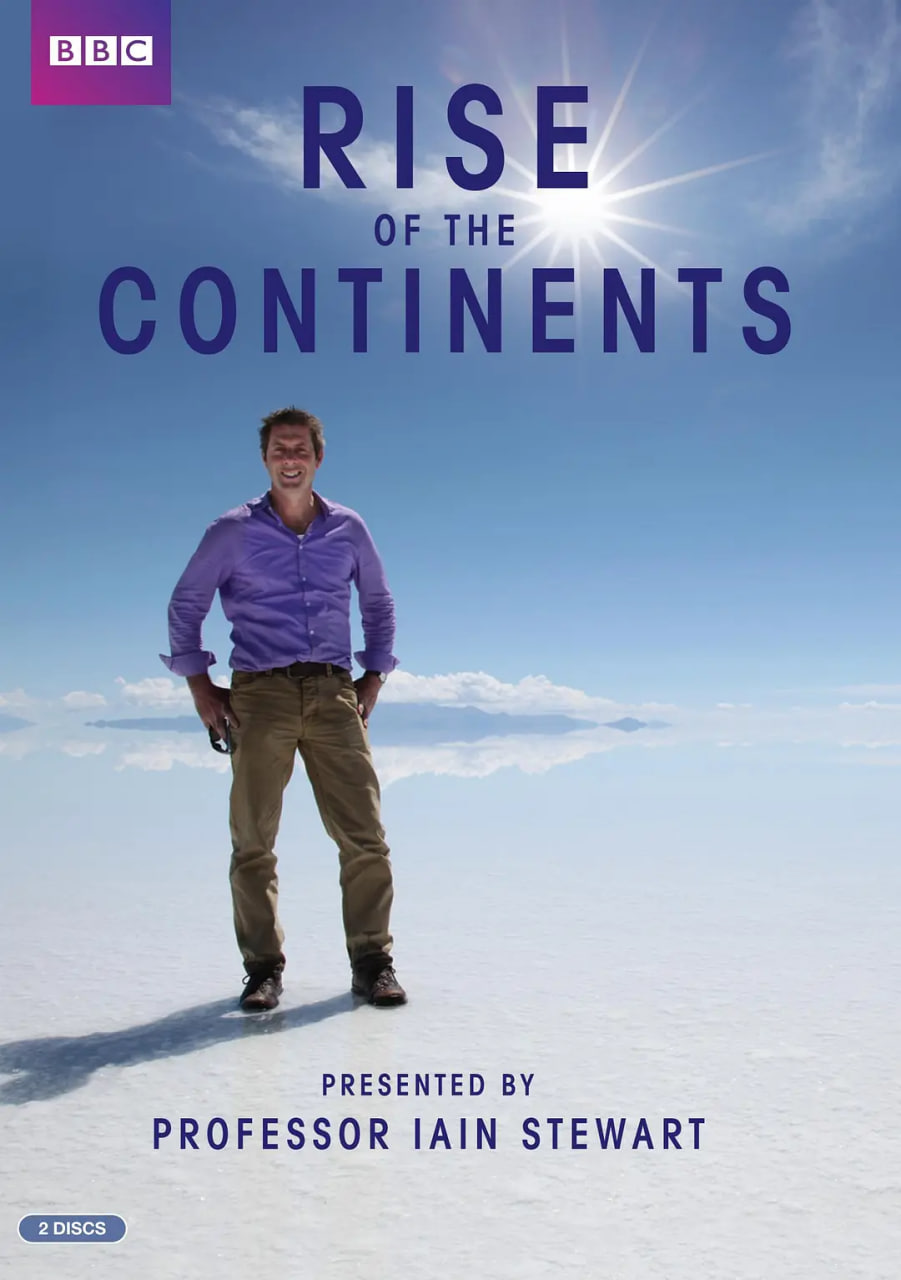
非洲,人类诞生的地方。20万年来,人类一直在这辽阔大陆上安身立命。这块位处世界中央的不动陆地,似乎自盘古初开以来就一直存在。但事实并非如此,科学家正逐步拆解,非洲大陆的惊人历史。只要找对地方,就会发现许多有关线索,揭示非洲大陆不为人知的动荡岁月。从失落已久的远古大陆分裂出来,非洲见证了开天辟地的威力,一股力量亦令这片大陆面目全非。这段沧桑岁月,带来了非洲大陆今天的种种面貌。野生动物,贫穷与财富,甚至古文明。现时非洲大陆处于转变的关头。那股创造出这片大陆的力量将会摧毁它 。
Welcome to a food extravaganza, a visual poem to Mexico's foodie ingenuity and the quirky and delicious flavors that are worth the stomach aches.
科幻电影可以说已经成为最受观众欢迎的一类影片。在2013年的银幕上,除了蝙蝠侠、钢铁侠、金刚狼、超人这些老牌的超级英雄,《普罗米修斯》、《重返地球》、《环太平洋》、《云图》等一批新的科幻大作也吸引了无数的观众。中国观众在欣赏这些电影的同时,也期待着国内能够拍出自己的科幻大片。2013年2月,一则消息让中国的科幻迷兴奋不已,根据刘慈欣小说《三体》改编的科幻电影,确定将被搬上荧幕。电影还没有开拍,由科幻迷们自己制作的三体电影片花已经传遍了网络。
A cure for some and a curse for others, widely prescribed anti-anxiety medication is examined by patients and experts in this revealing documentary.
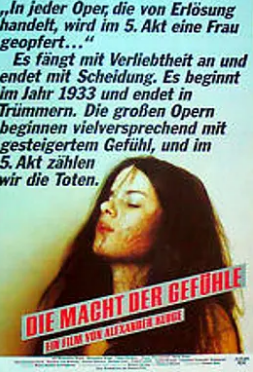
The Power of Emotion explains that emotion isn't to be confused with sentimentality. Emotion is ancient and more powerful than any art form. The film looks at young couples who run into difficulties as they try to translate their experiences of love into clear decision-making. A woman who has shot her husband provides a judge with a puzzle. Those who love can bring the dead back to life by means of co-operation. That's the focus of the opera, "The Power Plant of Emotions" and the "Opera of the 20th Century" cinema. Alexander Kluge: The Power of Feeling When I started working on The Power of Feeling, I was not in a rational state. I did not say, I have a subject and now I will make a film about it. Instead I was spellbound and observed in my direct surroundings, for example, how feelings move. I have not really dealt with the theme of my mother's death and the fact that she was the one who taught me "how feelings move." Nor have I dealt with how she died. That was an entire palette of feelings: "All feelings believe in a happy end," and everyone believes tacitly that they will live forever: The entire palette is somehow optimistic, a positive attitude towards life having been put on the agendaas long as she was young, as long as her body held out, from one day to the next she collapsed. She just suddenly collapsed, like in an opera where disaster takes the stage in the fifth act. It felt as if I had observed an air raid or a disaster. The film The Power of Feeling is not about feelings, but rather their organization: how they can be organized by chance, through outside factors, murder, destiny; how they are organized, how they encounter the fortune they are seeking.What is all this organization of feelings about? Generally feelings tend to be a dictatorship. It is a dictatorship of the moment. The strong feeling I am having right now suppresses the others. For thoughts this would not be the case. One thought attracts others like a magnet. People therefore need affirmation by other people to be sure about their own feelings (to counteract the acquisition of their feelings through outside forces). Through the interaction of many people, for example, in public, the various feelings also have a magnetic attraction to one another just like thoughts do. Feelings communicate through their manifestation in public. The cinema is the public seat of feelings in the 20th century. The organization is set up thusly: Even sad feelings have a happy outcome in the cinema. It is about finding comfort: In the 19th century the opera house was the home to feelings. An overwhelming majority of operas had a tragic end. You observed a victim. I am convinced that there is a more adventuresome combination: Feelings in both the opera and traditional cinema are powerless in the face of destiny's might. In the 20th century feelings barricaded themselves behind this comfort, in the 19th century they entrenched themselves in the validity of the lethal seriousness.
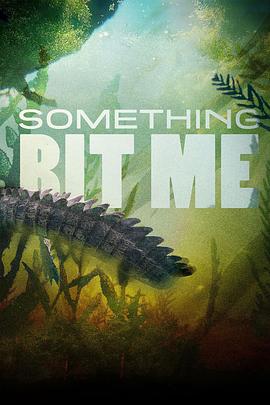
這部全新紀錄片影集深入探索了動物和昆蟲攻擊以及蚊蟲叮咬使人被送往急診室的真實故事。科學家和專家會向我們說明這些動物的習性,以及牠們攻擊受害者的可能原因。藉由探索故事背後的真相,讓觀眾能對動物行為有更深的瞭解。 S1 E1 - This Is Not a Deer! S1 E2 - We Were Being Hunted... S1 E3 - It Smelled of Death... S1 E4 - I Was Just Like a Ragdoll... S1 E5 - Where's Mom? S1 E6 - I Had to Save Her. S1 E7 - Lord, I'll see you in a minute. S1 E8 - No Time to be Terrified S1 E9 - If She Smells, I'm Alive... S1 E10 - Get Back in the Kayak! S1 E11 - Everything Went Dark... S1 E12 - I Went Bonkers...
D-Day, Normandie 1944 a été spécialement réalisé pour les commémorations rendant hommage à l'opération "Overlord" autrement connue sous le nom de "D-Day" ou "Jour-J". Le fim est diffusé mondialement à l'occasion du 70e anniversaire du Débarquement Allié qui eut lieu sur les plages de Normandie le 6 juin 1944.